
From boardroom to Bay of Biscay
UPDATE #2: Azores to Portsmouth (safely back on terra firma)
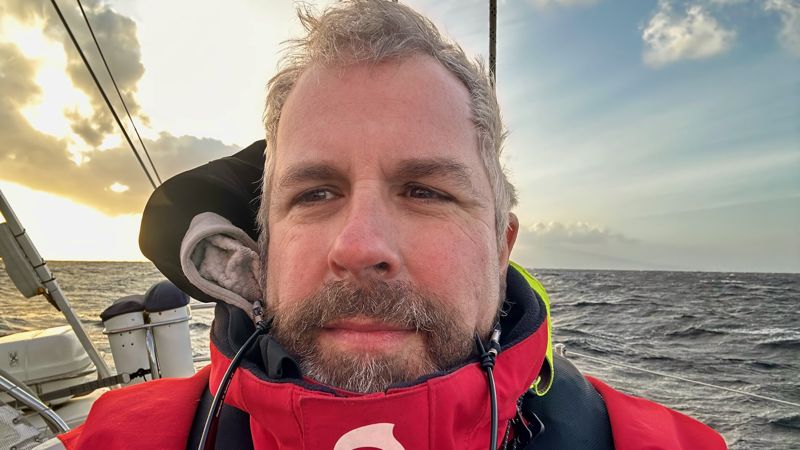
I’m finally back in the UK after our second leg: an epic 8 day, 1,400 Nm passage from the Azores to Portsmouth. We faced Force 9 gales consistently gusting to Force 11, and waves as big as a house.
Helming 50 tonnes of steel down a 10m wave at 17 knots in the pitch black is a pretty effective way to focus the mind on what really matters when the going gets rough.
Between the storms, we saw the Milky Way shining so bright it felt as though you could reach out and touch it, dolphins effortlessly racing us through the swells, and magical trails of bioluminescent algae.
But mostly, I thought about how we were managing to thrive in conditions most sailors avoid like the plague. It comes down to three things that in my experience apply just as much in business as a on a boat:
1. The strength of your hull
Our Challenger class yacht was purpose built to race the wrong way round the world. She is incredibly robust. How strong is your core business model and brand? When was the last time you inspected the "hull" of your organisation? Is it robust enough to withstand a storm, or just for fair-weather sailing?
2. Constant upgrading
Challenger 1 is 25 years old. To stay safe, every winch, line, and pump is constantly tested and the most critical items upgraded or replaced. How honest are you about reviewing your “working rig"? In my experience, many businesses get left behind because they delay or overlook critical upgrades when times are tough. Even the best brands & businesses need a rigging check to ensure they remain relevant for the times ahead.
3. Data vs. Instinct
On board we had instantaneous access to multiple weather models and endless navigational data. But that information was only useful once years of human experience had been applied by our Skipper to make the right decisions— balancing speed, safety, and the capability of our crew. In the age of AI and infinite data, do you have the right blend of analytics and experienced human "gut feel" to navigate the turbulent waters ahead?
We thrived in conditions few humans ever experience because we had an extremely robust foundation, well-maintained and upgraded hardware, and the human experience to know which way to turn the wheel when the big waves hit.
It’s great to be back on dry land. I’ve loved every minute of this Winter Sun Ocean Challenge, and I’m proud to have been recommended for ‘Watch Leader’ training so that I’ll be able to share my love of sailing with others in future.
As to what’s next? I have one more adventure to share before I return to the boardroom. Watch this space.